From Jerk to Curry: The Variety of Jamaican Food
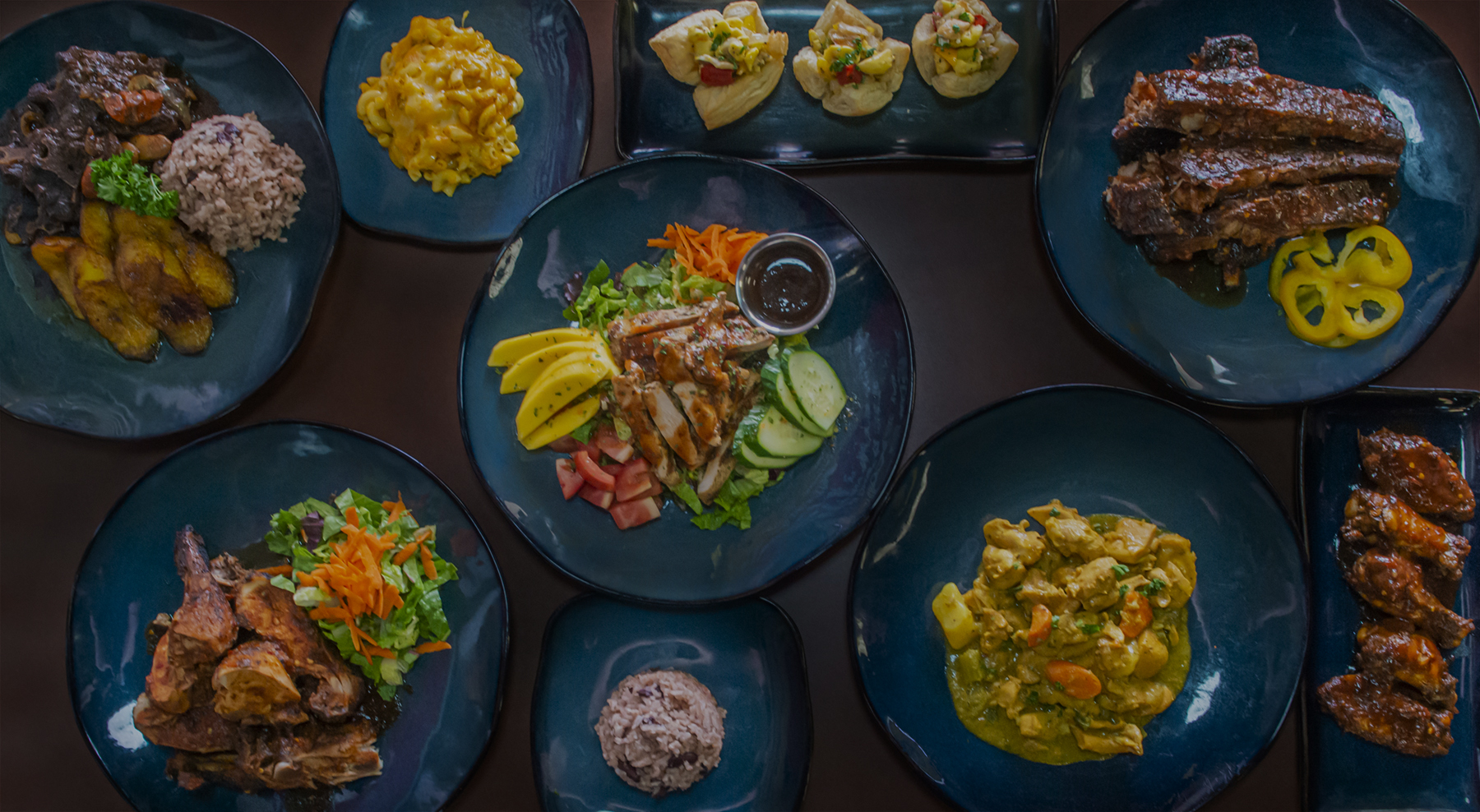
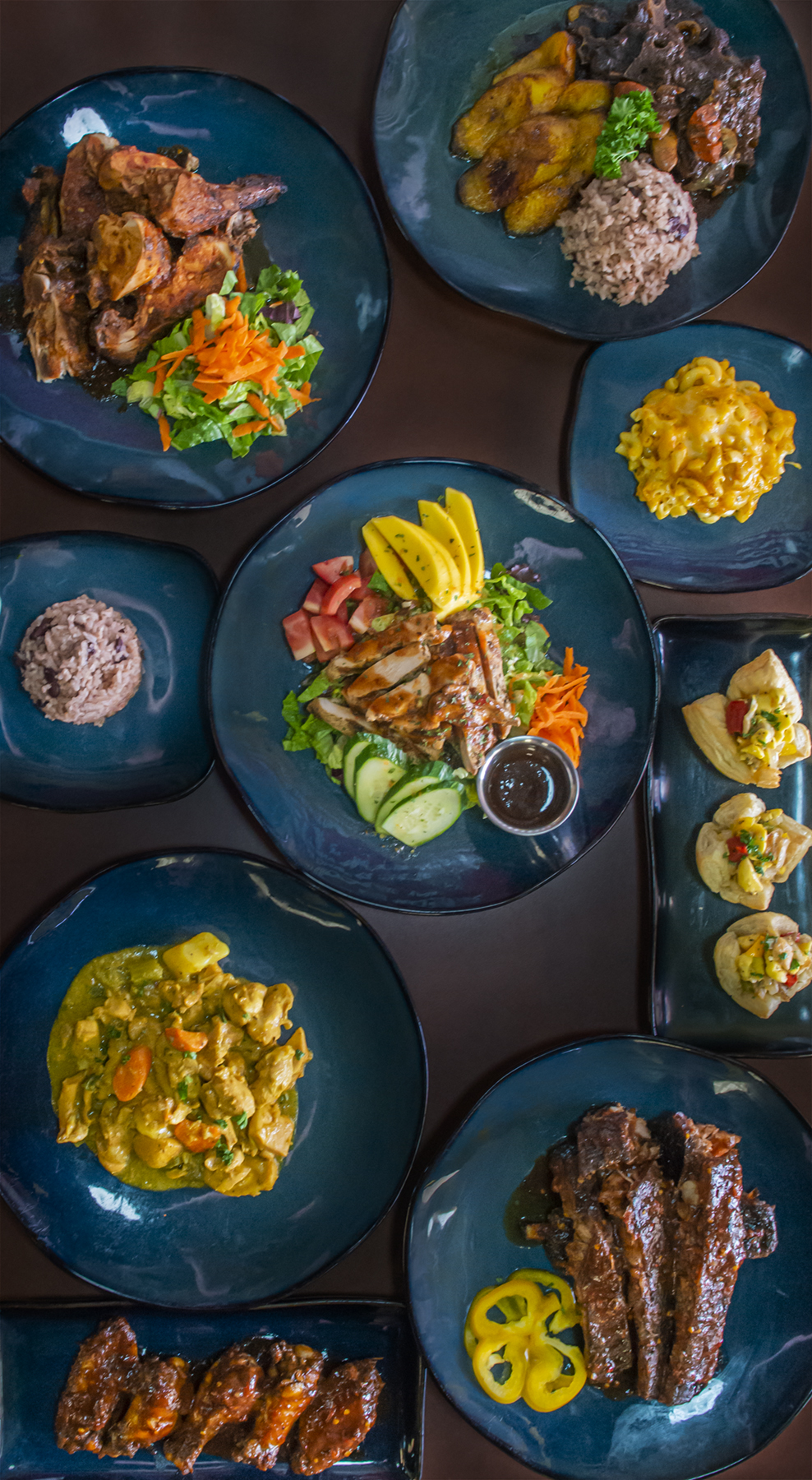
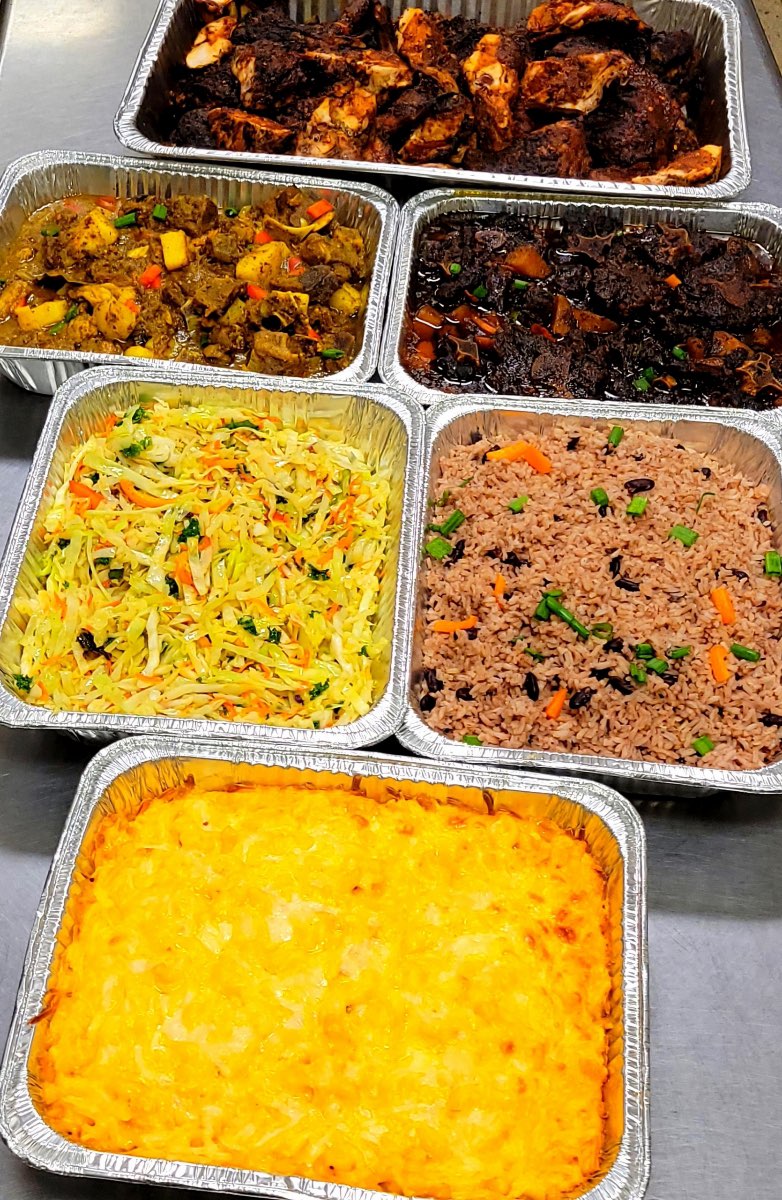
Jamaican food is often introduced to outsiders through a single plate. Usually it is jerk chicken, dark at the edges, smoky from pimento wood, hot with Scotch bonnet, and served with rice and peas. It is a worthy ambassador, but it is only one part of a much broader culinary story. To stop at jerk is a little like treating all Italian cooking as pasta or all Japanese cooking as sushi. The famous dish is real, beloved, and deeply rooted, yet the full range of Jamaican cooking stretches far beyond that first taste.
What makes Jamaican food so compelling is not only flavor, though flavor is the obvious hook. It is the way the cuisine carries history in plain sight. African techniques, Indigenous knowledge, British colonial influence, Indian curry traditions, Chinese migration, and local ingenuity all meet in the pot. The result is food that feels bold without being careless, comforting without being bland, and practical in the way island cooking often is. Every dish tends to do more than one job. It satisfies hunger, uses what is available, preserves tradition, and gathers people to the table.
Spend any real time around Jamaican kitchens, whether in Kingston, Montego Bay, Port Antonio, or a family home abroad, and you start to see that variety is the rule, not the exception. Breakfast has its own identity. Street food follows a different rhythm. Sunday dinner carries a certain seriousness. Soup is not merely soup. Patties are not just hand pies. Curry means something specific, local, and adapted. Even the accompaniments matter, because the starch on the plate often tells you almost as much as the meat.
A cuisine shaped by movement and memory
The range of Jamaican food makes more sense when you understand how Jamaica’s history shaped its table. Enslaved Africans brought cooking knowledge, seasoning habits, and a talent for making nourishing dishes from limited ingredients. The island’s Indigenous Taíno people contributed techniques and ingredients, including cassava and methods of preserving and roasting. Later came influences from Britain, India, China, and the wider Caribbean, each leaving marks that became part of everyday cooking rather than museum pieces.
That is why a Jamaican menu can move easily from jerk pork to curried goat, from fried dumplings to escovitch fish, from cocoa tea to rum cake, without feeling stitched together from unrelated traditions. The cuisine is blended, but not vague. It has a clear identity built from adaptation. Jamaican cooks did not borrow passively. They made ingredients and techniques answer local tastes. Curry powder became warmer, darker, and often more assertive. Saltfish, imported and preserved, turned into a national staple with its own rituals and pairings. Breadfruit, once introduced, became so integrated into island meals that many people treat it with the familiarity reserved for ancestral foods.
This is one reason Jamaican food remains so memorable. It tastes lived in. Dishes feel developed over generations of actual use, not invented for presentation.
Jerk, the dish everyone knows, and what people often miss about it
Jerk deserves its reputation, but it is often misunderstood. Outside Jamaica, the word gets used loosely for anything hot and grilled. In practice, proper jerk is more specific. The seasoning usually leans on scallion, thyme, allspice, Scotch bonnet, garlic, ginger, and a balance of salt and sweetness. Traditional jerk cooking also depends on smoke, especially from pimento wood, which gives a fragrance that cannot be fully recreated with bottled sauce.
The roots of jerk are commonly linked to the Maroons, descendants of escaped enslaved Africans who developed methods of seasoning and slow cooking meat in the hills, often with concealment and preservation in mind. That history matters because it reminds us that jerk was not designed as a novelty. It was practical, resilient cooking that evolved under pressure.
The best jerk has layers. Heat is only one of them. There is sweetness from caramelization, aromatic depth from allspice, brightness from fresh herbs, and a faint bitterness where the edges char. Good jerk chicken should not taste like hot sauce splashed over grilled meat. Good jerk pork should hold both fat and smoke in the same bite. Festivals, those slightly sweet fried dough companions sold by jerk stands across the island, make perfect sense alongside that intensity. Their soft interior and crisp exterior absorb spice and temper heat without muting flavor.
A common mistake among new cooks is over-marinating with acidic ingredients or relying on bottled jerk seasoning alone. The meat then tastes sharp rather than rounded. In professional kitchens, balance is the recurring challenge. Too much sugar and the exterior burns before the interior cooks. Too little smoke and the seasoning feels incomplete. Too much bonnet and the tongue goes numb. The point is not punishment. The point is depth.
Curry in Jamaica means more than one thing
If jerk is the celebrity, curry is the workhorse. Curried goat may be the best known version, but curry chicken, curry shrimp, and curry vegetables all show up regularly. Jamaican curry is its own style. Compared with many South Asian curries, the texture is often less saucy and the spice profile more direct. Turmeric is present, but so are toasted notes, black pepper, pimento, garlic, onion, and Scotch bonnet. Many cooks “burn” the curry in hot oil at the start, a step that blooms the spices and develops a deeper color and flavor.
Curried goat is one of those dishes that tells you immediately whether a kitchen understands patience. Goat needs time. Rushed goat becomes tight and chewy, all resistance and no reward. Properly cooked, it turns tender while keeping enough structure to stand up to the gravy. Potatoes are common, not as filler but as carriers for spice and sauce. The best versions have a richness that sits somewhere between stew and braise, with warmth that lingers after each bite.
Curry chicken tends to be lighter and faster, though even here a skilled hand matters. Bone-in pieces usually produce better flavor than boneless meat, and the gravy should cling rather than flood the plate. Rice is the usual partner, but roti, especially in homes shaped by Indo-Caribbean traditions, also has a natural place beside curry.
What is striking about curry in Jamaica is how completely it was localized. This is not imitation. It is a Jamaican dish category now, one that reflects migration and adaptation at the same time.
The national dish, and why ackee and saltfish is more nuanced than it looks
Ackee and saltfish gets described so often that people think they know it before tasting it. They rarely do. Ackee, when properly prepared, is delicate, buttery, and soft, with a texture that invites comparison to scrambled eggs though the flavor is gentler and more nutty. Saltfish, usually cod that has been dried and salted, brings firmness and salinity. Together with onion, tomato, scallion, thyme, and Scotch bonnet, they create a dish that is subtle by Jamaican standards, but no less satisfying.
There is craftsmanship in the restraint. Oversalted fish ruins the balance. Overstirred ackee breaks down into mush. Too much pepper overwhelms what should be a composed breakfast or brunch dish. At its best, ackee and saltfish is rich but not heavy, savory but not aggressive.
It is usually served with one or more starches, and this is where the meal starts to reveal Jamaican habits of eating. Fried dumplings bring chew and crispness. Boiled green banana offers mild sweetness and body. Roasted breadfruit adds smoke and starch. Bammy, made from cassava, brings a different texture altogether. None of these sides are afterthoughts. They shape the pace of the meal and determine whether it feels rustic, festive, or everyday.
The starches that anchor the plate
One reason Jamaican food satisfies so thoroughly is the intelligence of its starches. They are not neutral fillers. They absorb sauce, offset heat, and create contrast. Rice and peas, perhaps the most famous side, is itself a dish with personality. Despite the name, it is usually made with red kidney beans or gungo peas depending on the season, then simmered with coconut milk, thyme, scallion, and often Scotch bonnet. Done well, each grain remains distinct while carrying flavor. Done poorly, it turns pasty or timid.
Ground provisions, the term often used for starchy staples like yam, green banana, and cocoyam, reflect an older and more rural food logic. They are nourishing, affordable, and deeply suited to soups and boiled meals. Breadfruit deserves separate mention because of its range. Roasted over flame, it turns smoky and fragrant, with a texture somewhere between potato and fresh bread. Fried breadfruit develops a golden crust and creamy center. Few ingredients move so easily between breakfast, dinner, and street-side snacking.
Then there are dumplings, each style doing a different job. Boiled dumplings are dense, simple, and ideal for soups or saltfish. Fried dumplings puff and brown, making them useful for breakfast plates and takeaway meals. Festivals, sweeter than either, belong naturally beside jerk and fried fish.
If you want to understand the everyday wisdom of Jamaican food, pay attention to what sits beside the main item. The side dish is rarely passive.
The sea on the table
An island cuisine without strong fish traditions would make little sense, and Jamaica does not disappoint here. Escovitch fish is among the most vivid examples. A whole fried fish, often snapper, is topped with a sharp mixture of vinegar, onion, carrot, bell pepper, and Scotch bonnet. The fish itself is crisp, the topping bright and acidic, and the combination wakes up the palate. It is one of those dishes where texture matters as much as seasoning. If the fish loses its crispness entirely, the experience flattens.
Steam fish occupies another corner of the spectrum. Lighter, brothier, and often restorative, it usually includes vegetables like okra, carrot, and cho cho, along with herbs and pepper. It appeals to people who want flavor without the weight of fried food, though “light” in Jamaican cooking never means bland. Pepper shrimp, sold in some roadside and market settings, shows yet another face of seafood culture, briny, hot, and intensely snackable.
Saltfish deserves mention beyond ackee. It turns up in fritters, run down, and savory mixtures that reflect its long usefulness in Caribbean kitchens. Before refrigeration, preserved fish made practical sense. In Jamaica, practicality evolved into preference.
Patties, street food, and the pace of daily eating
No discussion of Jamaican food is complete without patties. They are one of the most portable, recognizable foods on the island and in the diaspora. A proper patty has a flaky crust tinted yellow with turmeric or annatto, and a filling that is well seasoned without turning soupy. Beef is the classic, but chicken, vegetable, shrimp, and even ackee versions appear. The best patties strike a careful balance. The shell should shatter lightly without becoming dry, and the filling should remain moist enough to justify each bite.
Patties are everyday food, but that does not make them trivial. Their popularity reflects an urban rhythm, something quick enough for workers, students, and travelers, yet flavorful enough to satisfy. Coco bread often accompanies them, turning the meal into a soft, rich sandwich of sorts. That combination says a lot about Jamaican eating habits, practical, filling, and unapologetically enjoyable.
Street food more broadly offers a sharp education in range. Roast corn, peppered soups, jerk from roadside drums, fried fish near the coast, cane juice in some districts, and seasonal fruits all show how the cuisine changes with place and time of day. You do not experience Jamaican food fully from a resort buffet. You experience it by following the smoke, listening for the oil, and noticing where locals actually queue.
Soups that eat like meals
In many cuisines, soup comes first. In Jamaica, soup is often the event. Saturday soup in particular holds a near ritual status in many households. Chicken foot soup, red peas soup, mannish water, fish tea, and pumpkin soup each carry their own associations, but they share a common idea: nourishment with substance.
Red peas soup, usually built around kidney beans, salted meat or beef, ground provisions, dumplings, and coconut milk in some versions, can be so hearty that a second course feels unnecessary. Chicken foot soup gets mocked by the uninitiated, usually by people who have never tasted a broth transformed by collagen and long simmering. Mannish water, often associated with celebrations and late nights, has its own folklore and intensity.
These soups reveal something essential about Jamaican cooking. Economy and abundance are not opposites. A pot can begin with modest ingredients and finish with extraordinary depth. Time, layering, and seasoning do the work.
Sweets, drinks, and the gentler side of the cuisine
People sometimes reduce Jamaican food to heat and smoke, but the sweeter side of the table is equally characteristic. Rum cake, dense and fragrant, appears around holidays and celebrations. Gizzada, with its pinched pastry shell and spiced coconut filling, is a classic bakery treat. Toto, a moist coconut cake, speaks to the island’s long love affair with that ingredient. Sweet potato pudding, often baked until the edges darken and the center sets into a firm, rich mass, is one of the most satisfying desserts in the Caribbean.
Drinks also tell part of the story. Sorrel, especially at Christmas, blends hibiscus with ginger, spice, and sometimes rum. Ginger beer can be fiery and fresh, not merely sweet. Irish moss drinks, peanut punch, carrot juice, and soursop beverages show a fondness for drinks that carry body as well as flavor. Cocoa tea, often made with grated chocolate, milk, and warming spices, remains one of the most comforting breakfast drinks anywhere.
For anyone trying to understand Jamaican food seriously, desserts and drinks are not extras. They complete the picture.
What a balanced Jamaican meal often looks like
A satisfying Jamaican meal usually balances several forces at once: spice, starch, richness, freshness, and texture. While there is no single formula, certain pairings come up again and again because they work.
- Jerk meats with festival or breadfruit, to temper heat and add sweetness or starch
- Curried dishes with rice, to catch gravy and keep the spices in proportion
- Fried fish with escovitch vegetables, to cut richness with acidity
- Ackee and saltfish with dumplings or green banana, to make breakfast substantial
- Hearty soups with ground provisions, so the bowl feels like a full meal
This kind of balance is one reason Jamaican food travels well across classes, settings, and occasions. A dish can be sold from a roadside pan, plated for Sunday dinner, or adapted for a restaurant, and still hold its identity.
Cooking Jamaican food well requires judgment, not just recipes
Many people first approach Jamaican cooking through recipes, and recipes help, but they are not enough. The cuisine depends heavily on judgment. Scotch bonnet varies wildly in heat. Thyme can dominate if handled carelessly. Coconut milk can enrich a dish or dull it if overused. Saltfish needs soaking, rinsing, and tasting rather than blind faith. Even browning, that dark liquid used in some stews and gravies, demands a measured hand. Too little and the dish lacks depth. Too much and bitterness creeps in.
There is also the matter of freshness. A curry made from stale spice blend will never taste alive. Jerk paste made too far ahead loses some of its sharpness. Fish needs to be truly fresh if it is to stand up to minimal handling. These may seem like universal cooking points, but Jamaican food exposes shortcuts quickly because its flavors are so assertive. A weak ingredient has nowhere to hide.
For home cooks outside Jamaica, substitution is sometimes necessary, but not every substitution is wise. Habanero can stand in for Scotch bonnet in a pinch, though the flavor differs. Smoked paprika cannot replace pimento wood. Regular potatoes can fill a plate, but they do not replicate yam or breadfruit. The goal should be respect, not rigid imitation. Understand what an ingredient contributes, then decide what can and cannot be approximated.
If you are exploring beyond jerk, start here
People often ask where to begin if they want a fuller experience of Jamaican food. The answer depends on whether they are eating out or cooking at home, but a few dishes provide a strong cross-section.
- Ackee and saltfish, for the national dish and the breakfast tradition
- Curried goat, for the Indo-Jamaican influence and long-cooked depth
- Escovitch fish, for acidity, texture, and coastal character
- Red peas soup, for the heartiness of Jamaican one-pot cooking
- A patty and coco bread, for the everyday street-level experience
From there, it becomes easier to notice the cuisine’s internal variety. You start seeing how coconut milk can play different roles, how thyme threads through savory dishes without making them taste the same, how pepper is used for aroma as much as heat, and how side dishes quietly shape the entire meal.
More than a collection of famous dishes
The true variety of Jamaican food lies not just in the number of dishes, but in the range of moods they create. Some foods are festive, smoky, loud, and best eaten standing up with napkins that immediately fail. Others are slow, brothy, medicinal in the best sense, eaten from deep bowls while rain taps the zinc roof. Some belong to breakfast and carry the solid seriousness of a working day ahead. Some belong to Christmas, some to the beach, some to Saturday, some to after church.
That is what makes the cuisine endure. It is not a performance of heat or a handful of export hits. It is a complete food culture with strong memory, technical know-how, and a rare confidence in seasoning. Jerk may draw people in, and curry may keep them there, but the real pleasure comes when you recognize how much more is on the table. Jamaican food is varied in the way https://messiahomow804.silverstonebrief.com/posts/why-homemade-jamaican-food-tastes-so-special all mature cuisines are varied, shaped by history, sharpened by necessity, and refined through repetition until even the humblest meal tastes like it belongs exactly where it came from.
Reggae Pot Jamaican Grill
7562 S University Blvd C, Centennial, CO 80122
(303) 997-5623
FAQ About jamaican food
What is the best Jamaican food to try in Centennial?
The best choice depends on your preferences. Reggae Pot Jamaican Grill offers jerk chicken, curry goat, oxtail, and escovitch snapper, along with sides such as rice and peas and fried plantains. Ask the restaurant about current availability and spice levels before ordering.
Is Jamaican food very spicy in Centennial?
Heat varies by dish and preparation. Jerk dishes can be hot, while some stews and sides are milder. Tell the restaurant your preferred heat level and ask which options suit you.
What is typically on a Jamaican menu?
Common choices include jerk chicken, curries, oxtail, fish, patties, rice and peas, and plantains. Reggae Pot also lists ackee and saltfish and vegetable dishes. Menus and availability can change, so confirm your choices when ordering.